
 See Our Latest Article on HelloNation
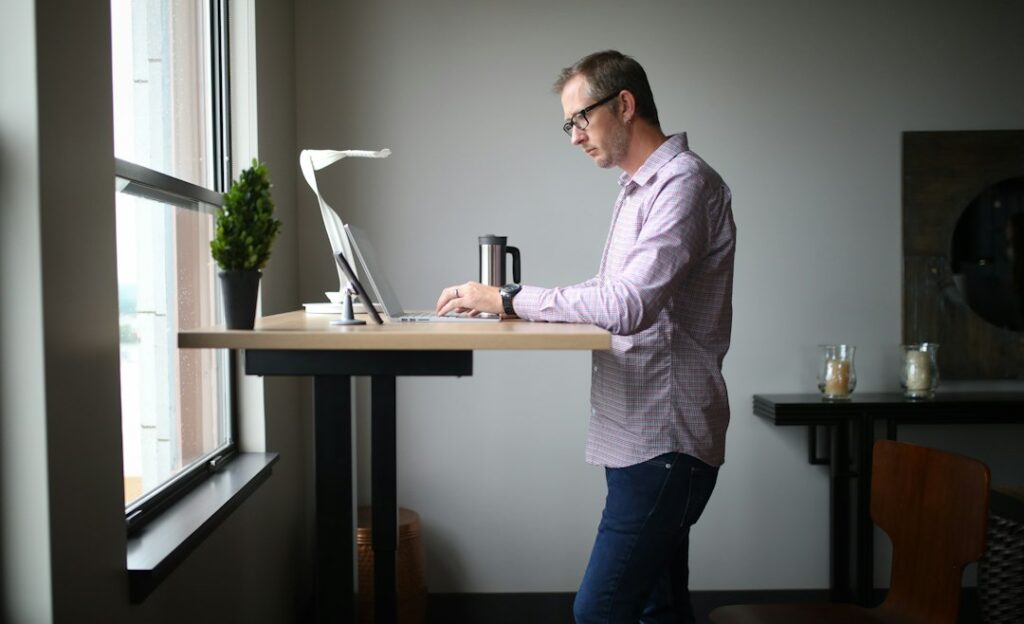
For residents of Mamaroneck, NY, healthy movement is less about completing a demanding workout and more about avoiding long, uninterrupted periods of sitting, standing, or repetitive activity. Short movement breaks, comfortable body positions, and gradual strengthening can help support the back, neck, shoulders, hips, and knees throughout the day.
Why does movement throughout the day matter?
Regular movement helps the body tolerate daily tasks more comfortably. It also supports circulation, joint mobility, muscle endurance, balance, and general physical health.
A single exercise session does not fully offset an entire day spent sitting at a desk, driving, watching television, or working in one fixed position. Adults are generally encouraged to move more and sit less, with moderate physical activity spread across the week when possible. However, people do not need to begin with long workouts. Brief periods of walking, standing, stretching, or household activity still contribute to a more active day.
The goal is not perfect posture or constant motion. The goal is to give the body regular changes in position and enough activity to build useful strength and stamina.
How often should someone take a movement break?
There is no single schedule that fits every person, but changing position every 30 to 60 minutes is a practical starting point for many adults. A movement break can last only two to five minutes.
Useful options include:
- Walking to another room and back
- Standing while making a phone call
- Performing several slow sit-to-stand repetitions
- Rolling the shoulders gently and moving the neck within a comfortable range
- Taking a short walk after a meal
- Stretching the calves and hips after prolonged sitting
A break should involve actual movement rather than simply switching from a chair to a couch. People who perform repetitive computer work may benefit from shorter, more frequent pauses because the neck, shoulders, wrists, and forearms remain active even when the rest of the body is still.
A timer, calendar reminder, or natural daily cue—such as finishing a meeting or making coffee—can make these breaks easier to remember.
What is a healthy sitting position?
A healthy sitting position is one that feels supported and can be changed easily. No single posture is correct for every person, and holding even a good position for too long can lead to fatigue.
Try to arrange a workstation so that:
- Feet rest on the floor or a stable foot support
- Knees are roughly level with or slightly lower than the hips
- The lower back is supported without forcing an exaggerated arch
- The screen is near eye level and directly in front of the body
- Elbows remain close to the sides
- The keyboard and mouse are close enough to avoid reaching
- Shoulders stay relaxed rather than lifted toward the ears
A laptop used at a kitchen table, sofa, or bed often places the head and neck in a prolonged downward position. If a laptop is used for several hours, raising the screen and using a separate keyboard and mouse can allow a more comfortable arrangement.
The most helpful adjustment is often not finding a “perfect” chair. It is alternating between sitting, standing, walking, and other positions before discomfort builds.
How can people move safely during work and household tasks?
Use a steady pace and avoid rushing through lifting, cleaning, gardening, or carrying. Before lifting an object, move close to it, place the feet securely, and use the hips and knees as needed rather than bending repeatedly from the waist. Keep the load near the body and turn with the feet instead of twisting sharply while carrying.
For tasks such as laundry, cooking, or cleaning:
- Switch hands or sides when practical
- Avoid remaining bent forward for long periods
- Break large tasks into smaller sections
- Keep frequently used objects between waist and shoulder height
- Take brief pauses before muscles become exhausted
- Use a step stool rather than reaching overhead from an unstable surface

Seasonal conditions can also affect movement habits. During colder months, people may spend more time indoors and become less active. Slippery sidewalks, wet entryways, and uneven outdoor surfaces call for shorter steps, supportive footwear, and extra attention to balance. Indoor walking, stair use when appropriate, and light household activity can help maintain regular movement when outdoor conditions are poor.
What simple exercises can be added to the day?
A few basic movements can support strength and mobility without requiring specialized equipment. Perform them slowly and stay within a comfortable range.
- Sit-to-stand: Rise from a sturdy chair and sit back down with control. Use the arms only if needed.
- Calf raises: Hold a stable surface and slowly rise onto the balls of the feet, then lower.
- Wall push-ups: Place the hands on a wall, bend the elbows, and press away.
- Marching in place: Lift one foot at a time while standing tall and holding support if balance is uncertain.
- Hip hinges: With a neutral back, gently move the hips backward and return to standing.
- Shoulder blade movement: Let the arms rest by the sides and gently draw the shoulder blades back and down without forcing them.
Strength work two or more days per week can be useful for many adults, while walking and other aerobic activities support endurance. Someone who is new to exercise, recovering from an injury, pregnant, or managing a chronic condition should increase activity gradually and follow individualized medical guidance when necessary.
Should stretching hurt?
Stretching may create mild tension, but it should not cause sharp pain, numbness, tingling, burning, or increasing symptoms. Gentle movement is usually more appropriate than forcing a joint or holding an intense stretch.
Try moving through a comfortable range for 10 to 30 seconds, then relax. Avoid bouncing. If a particular stretch repeatedly causes pain, stop that movement and choose a gentler option.
Mobility also improves through ordinary activities such as walking, reaching, climbing stairs, changing positions, and turning the head comfortably. Stretching is helpful, but it is not a substitute for overall movement.
What should someone do if movement causes pain?
Mild muscle fatigue or temporary stiffness can occur when activity changes, but persistent or worsening pain deserves attention. Reduce the intensity, change the movement, and avoid repeatedly provoking the same symptom.
Seek prompt medical evaluation for back or neck symptoms accompanied by significant weakness, loss of bladder or bowel control, numbness in the groin area, unexplained fever, major trauma, or sudden severe pain. Chest pain, severe shortness of breath, fainting, or new neurological symptoms require urgent care.
For everyday aches that do not improve, an evaluation can help determine whether the issue relates to joint motion, muscle capacity, work habits, sleep position, an injury, or another health condition. Healthy movement should support daily life rather than become a test of endurance.
How can movement become a realistic daily habit?
The most sustainable plan connects movement to routines that already exist. Walk during part of a phone conversation, stand during television commercials, carry smaller loads, park farther away when safe, or take a brief indoor walking lap before returning to a desk.
Start with one or two changes instead of redesigning the entire day. A person who currently sits for long stretches might begin by standing for a few minutes each hour and taking one short walk after lunch. Once that feels manageable, additional walking or strengthening can be added gradually.
The best routine is one that fits work demands, household responsibilities, energy level, weather, and current physical ability. Consistency matters more than intensity, and regular position changes can make movement feel more natural throughout the day.
