
 See Our Latest Article on HelloNation
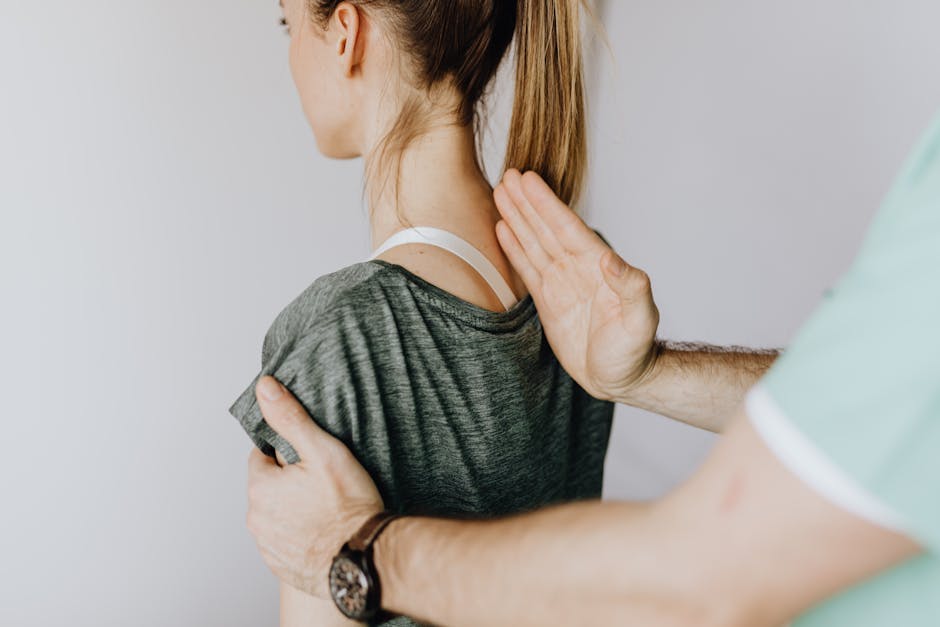
Modern life in Mamaroneck, NY, offers a perfect blend of scenic water views, vibrant downtown shopping, and close-knit suburban life. But as more residents work remotely, spend hours commuting, or relax on their devices, posture-related health concerns are quietly on the rise. Understanding how poor posture affects your overall health is the first step in making healthy changes—and enjoying all that Mamaroneck has to offer with greater energy and less discomfort.
What Is Poor Posture?
Posture refers to the way you hold your body while standing, sitting, or performing activities. Poor posture often means slouching, hunching forward, or leaning to one side. This can become a habit, especially with long hours at a desk, frequent device use, or carrying heavy bags across the downtown area.
Common examples of poor posture include:
- Rounded shoulders while texting or working at a computer
- Forward head carriage (head jutting forward past the shoulders)
- Slumping on the couch while watching TV
- Leaning to one side while carrying a tote bag
How Poor Posture Develops in Everyday Mamaroneck Life
Mamaroneck’s busy lifestyle, whether you’re running from a yoga class at Harbor Island Park or picking up groceries in the heart of town, can contribute to posture problems. Many residents commute into New York City, a routine that often involves long periods of sitting and stressed shoulders from backpack or briefcase straps.
Even local kids and teens face posture challenges with heavy schoolbags or long homework hours at poorly set-up study spaces.
The Whole-Body Impact of Poor Posture
Poor posture doesn’t just cause back or neck pain—it can have ripple effects throughout your body and impact your overall health in surprising ways.
1. Chronic Pain and Joint Problems
Slouching, hunching, and forward head posture put uneven pressure on your spine and joints. Over time, this can lead to:
- Persistent neck, shoulder, and back pain
- Tension headaches
- Increased risk of developing conditions like herniated discs or arthritis
2. Decreased Lung Capacity
When you slump forward, your chest cavity compresses. This limits how deeply your lungs can expand, reducing your oxygen intake. Over months or years, reduced lung capacity can leave you feeling tired and make exercise—like walking the Mamaroneck Harbor trails—more difficult.
3. Digestive Issues
Poor posture can compress your abdominal organs, slowing digestion and causing symptoms such as acid reflux or constipation. Sitting in a slouched position after enjoying local pizza or deli can lead to bloating and discomfort.
4. Reduced Circulation
Crossing your legs or sitting improperly for long periods can restrict blood flow in your lower body, contributing to issues like varicose veins and swelling. Good posture helps blood flow freely, which is essential for good health.
5. Negative Effects on Mood and Energy
Studies show that posture can affect your hormones and mood. Slouching is linked to lower energy, higher stress, and lower self-esteem. Standing tall—with shoulders back—can enhance confidence, positivity, and overall mental health.
How to Tell If Your Posture Needs Work
Since poor posture develops gradually, you might not notice it until pain or discomfort sets in. Answer these questions to see if it’s time for a posture check:
- Do you often feel tension in your neck or shoulders?
- Does your back ache after a day at your desk or laptop?
- Do you notice your head jutting forward while driving down Boston Post Road?
- Are you frequently slumping while reading, texting, or watching TV?
- Do your hips or knees hurt after standing or walking in the village for a while?
If you answered yes to any of these questions, it’s time to take your posture seriously.
Tips for Improving Your Posture
Luckily, small daily changes can make a big difference. Practice these habits at home, at work, or while exploring Mamaroneck:
- Set up your workspace: Adjust your screen so it’s at eye level. Support your back with an ergonomic chair or a rolled towel. Your feet should rest flat on the floor.
- Limit device time: Take regular breaks when using phones, tablets, or laptops. Hold devices at eye level to avoid bending your neck forward.
- Strengthen your core: Activities like yoga, Pilates, or simple core exercises in Harbor Island Park can support your spine and improve posture.
- Distribute weight evenly: Use both straps when carrying a backpack. Alternate shoulders or use a crossbody bag to reduce stress.
- Move often: Stand up, stretch, and walk around every hour—especially if you work in front of a computer.
- Practice mindful posture: Occasionally stand with your back to the wall, heels, hips, and shoulders touching. Try to keep this alignment in your daily life.
When to Seek Professional Help in Mamaroneck
Persistent pain, numbness, or tingling after making posture adjustments may require expert help. Chiropractors and other health professionals can assess your posture, address spinal misalignments, and recommend tailored exercises.
Early intervention is better—you’ll stay active for kayaking on the Long Island Sound, exploring the Metro-North commute, or simply enjoying sunset strolls.
Conclusion: Good Posture Is Essential for a Healthy Life
Maintaining good posture isn’t just about standing up straight. It impacts how efficiently your body moves, how well you breathe, how you feel, and your long-term health. Mamaroneck residents who make posture a priority find they can enjoy local activities, work more comfortably, and feel more energetic throughout the day.
By being proactive about posture, you’ll set yourself—and your family—up for lifelong wellness, right here in beautiful Westchester County.
