
 See Our Latest Article on HelloNation

Can Spinal Health Influence Digestion?
Spinal alignment and nervous system health have long been linked by healthcare practitioners, and some residents in Mamaroneck, NY have asked whether chiropractic care might play a role in supporting digestive well-being. While chiropractic approaches do not directly target the digestive system itself, the relationship between the spine, nerves, and digestive organs is worth understanding for those looking for natural ways to address certain digestive issues.
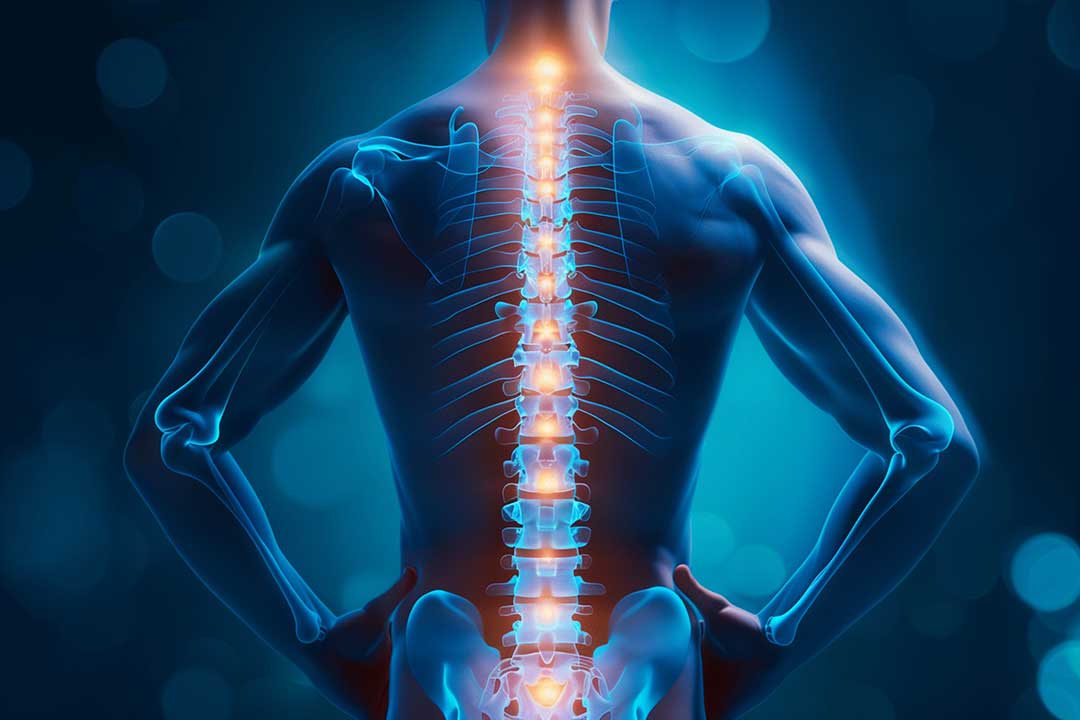
The spine houses and protects nerves that extend to various organs, including those involved in digestion. When spinal joints are not moving properly or nerves are irritated—sometimes due to posture, straining, or previous injuries—it could affect nerve signals. Some area residents have wondered whether addressing these spinal issues could therefore play a role in improving digestive comfort.
What Digestive Issues Do People Consider Chiropractic Care For?
Chiropractic care is most commonly sought for back and neck pain, but local households sometimes explore it for:
- Occasional bloating or constipation
- Heartburn and mild acid reflux
- Unexplained stomach discomfort
- Changes in bowel habits without an obvious cause
It’s important for those in the community to recognize that chiropractic care is not a primary treatment for digestive diseases such as Crohn’s, ulcerative colitis, or severe irritable bowel syndrome. However, when digestive complaints seem connected to physical tension, spinal discomfort, or changes in posture—sometimes seen with desk work or stress—some people report finding relief after addressing musculoskeletal issues.
How Might Chiropractic Adjustments Connect to the Digestive System?
Chiropractic adjustments focus on improving spinal movement and reducing nerve irritation. The theory is that if nerves serving the digestive tract function more effectively, some individuals may experience secondary benefits such as:
- More regular bowel movements
- Decreased abdominal tension
- Improved general sense of comfort after meals
These effects are most commonly reported by those who have spinal problems alongside their digestive complaints. For example, an individual in the city who developed mid-back discomfort after a slip on ice may also notice changes in their digestion if a nerve serving part of the digestive system is affected.
What Does Research Say About Chiropractic and Digestion?
Research on the direct effectiveness of chiropractic care for digestive issues is still developing. Some small studies and case reports have noted improvements in symptoms like constipation, especially in children, but large-scale scientific consensus is lacking.
Healthcare authorities agree that anyone with persistent or severe digestive symptoms should first rule out underlying medical concerns with their primary care provider. Residents in Mamaroneck sometimes use chiropractic care as part of a broader effort to support wellness and comfort, particularly when digestive issues coincide with physical tension or back discomfort rather than as a standalone therapy for diagnosed gastrointestinal conditions.
Are There Practical Benefits for Local Residents?
Some people in Mamaroneck have bodies that respond to lifestyle stressors—such as long office hours, cold winters that limit outdoor movement, or increased sitting during the school year—by developing tight muscles and spinal stiffness. These factors can, indirectly, affect digestion by limiting physical activity, affecting posture, or altering the body’s stress response.
In such cases, general approaches to promote mobility or reduce tension, including chiropractic adjustments, may contribute to a sense of improved well-being, including how the digestive system feels or functions. Gentle movements, improved posture, and reduced physical strain—all goals of some chiropractic care plans—may also give digestive organs more room to function optimally.
Common Misunderstandings: What Should Residents Be Careful About?
Some local residents may hear exaggerated claims that chiropractic care can "cure" digestive diseases or resolve food intolerances. This is not accurate. Chiropractic adjustments do not address the root causes of most digestive diseases, infections, or metabolic issues. Additionally, ignoring changes in appetite, significant weight loss, persistent pain, or bleeding may delay important medical treatment.
A practical approach for community members is to consider chiropractic as a complementary strategy—especially when digestive discomfort comes alongside physical pain, stress, or limited mobility—rather than as a replacement for medical care when more serious symptoms are present.
What Should People in Mamaroneck Ask Before Trying Chiropractic for Digestion?
Anyone considering chiropractic adjustments with the hope of supporting digestive comfort might ask:
- Is there a clear musculoskeletal component, such as back pain or stiffness, occurring with the digestive symptoms?
- Have other potential causes of the symptoms been ruled out through medical evaluation?
- What are realistic expectations for improvement?
These questions help set a thoughtful course and ensure other health needs are not overlooked.
Supporting Digestive Well-Being: Everyday Tips Beyond Chiropractic
While some residents are interested in chiropractic care, many digestive complaints can also be improved with simple at-home strategies, which may be especially relevant in seasons when outdoor activity is less practical:
- Regular physical movement, such as walking or light stretching
- Drinking enough fluids throughout the day
- Eating a balanced diet with plenty of fiber
- Managing stress through relaxation or mindfulness techniques
These approaches can be especially valuable when used alongside any professional care.
When Should Residents Seek Medical Advice First?
Any city resident who experiences digestive symptoms that are persistent, worsening, are accompanied by fever, significant pain, blood in stool, unexplained weight loss, or vomiting should seek evaluation by a licensed healthcare provider before considering any supportive care options such as chiropractic. Some digestive symptoms signal serious problems that require prompt diagnosis and specific treatment.
