
 See Our Latest Article on HelloNation
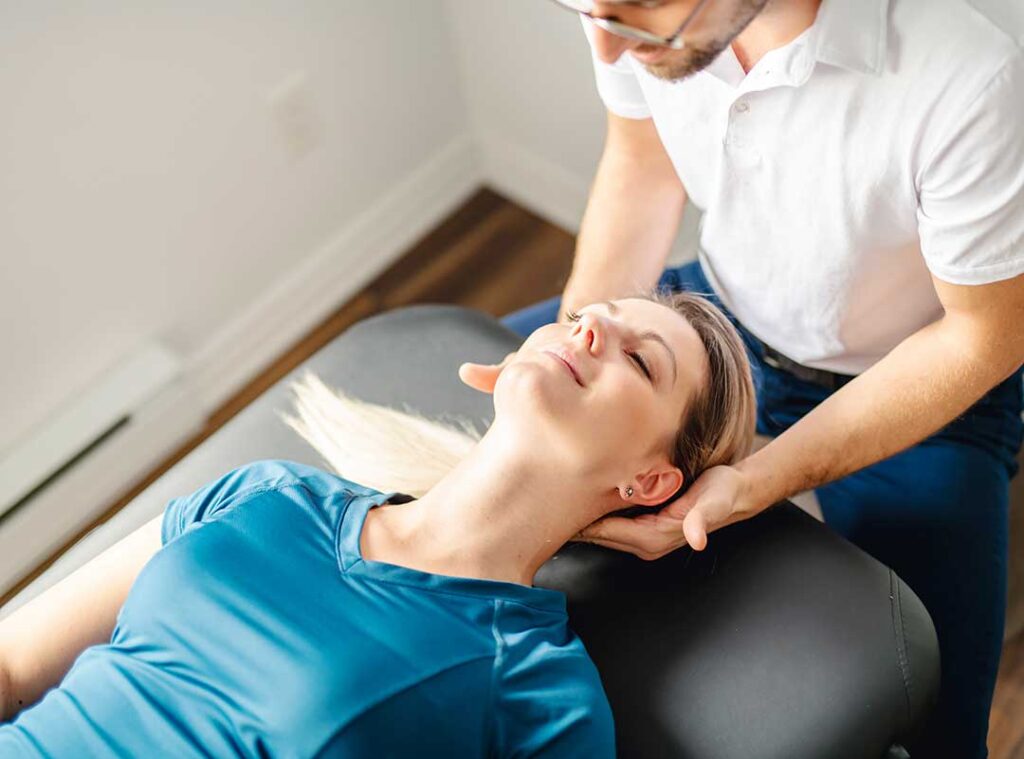
Holistic wellness means looking at health as a combination of physical function, daily habits, stress, sleep, movement, and access to appropriate medical care. Chiropractic may have a useful role within that broader picture, particularly for people managing certain muscle, joint, and spine-related problems.
It is not a cure-all, and it should not replace primary care, emergency treatment, medication when medically appropriate, or other evidence-based services. The most useful approach is usually coordinated, goal-focused, and based on a person’s specific symptoms and health history.
What does chiropractic care involve?
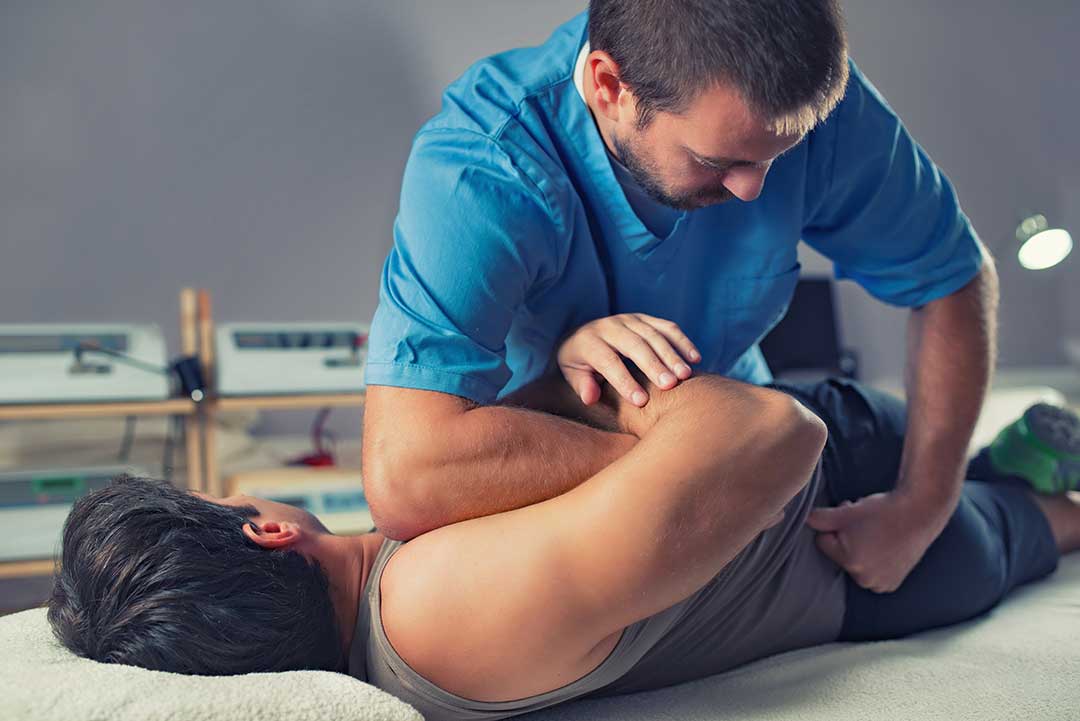
Chiropractic care commonly includes assessment of the musculoskeletal system and hands-on treatment intended to improve movement or reduce discomfort. Spinal manipulation, sometimes called an adjustment, uses a controlled force applied to a joint. Other approaches may include mobilization, soft-tissue techniques, movement guidance, and home exercises. ([nccih.nih.gov](https://www.nccih.nih.gov/health/spinal-manipulation-what-you-need-to-know?utm_source=openai))
A responsible evaluation should consider more than the location of pain. Relevant factors can include:
- Previous injuries or surgeries
- Numbness, tingling, or weakness
- Medication use and other health conditions
- Work, commuting, caregiving, and recreational demands
- Sleep quality and stress
- Current activity level and movement limitations
The purpose is not simply to identify a “misaligned” area. It is to understand what may be contributing to symptoms and whether chiropractic treatment is appropriate, unnecessary, or unsuitable.
Can chiropractic support holistic wellness?
Yes, but its role is usually most specific to musculoskeletal health. Research suggests spinal manipulation may provide modest improvements in pain and function for some adults with acute or chronic low-back pain. It may also help some people with neck pain, although results vary and treatment should be tailored to the individual. ([nccih.nih.gov](https://www.nccih.nih.gov/health/spinal-manipulation-what-you-need-to-know?utm_source=openai))
Holistic wellness does not mean treating every health concern with one method. Instead, chiropractic may support broader wellness by helping a person:
- Move more comfortably during daily activities
- Return gradually to walking, exercise, or recreation
- Reduce reliance on prolonged inactivity
- Learn safer lifting, sitting, or movement habits
- Combine hands-on care with strengthening and self-management
For example, a person experiencing back stiffness after long periods of sitting may benefit from a plan that includes manual care, regular walking, improved workstation habits, and gradual trunk and hip strengthening. The adjustment itself is only one part of that plan.
What conditions may respond to chiropractic treatment?
Chiropractic is most commonly used for problems involving the back, neck, joints, and muscles. Examples may include uncomplicated low-back pain, some forms of neck pain, stiffness, and certain activity-related joint complaints.
Evidence is less convincing for using spinal manipulation to treat unrelated medical conditions. Claims that chiropractic adjustments can directly treat infections, asthma, digestive disease, high blood pressure, or other internal illnesses should be viewed cautiously. Chiropractic care should not delay evaluation or treatment for a medical condition.
A person with persistent pain may need more than one type of care. Depending on the situation, useful services can include primary care, physical therapy, sports medicine, pain management, behavioral health support, or diagnostic testing.
What should residents consider about daily life in Mamaroneck?
Local routines can shape physical well-being. Seasonal changes may lead some residents to spend more time indoors, shovel snow, carry wet clothing and equipment, or move less during colder periods. Older housing, stairs, home maintenance, desk work, and commuting can also create repeated demands on the back, shoulders, wrists, or knees.
These factors do not automatically mean chiropractic treatment is needed. They do suggest that a wellness plan should address the activities that repeatedly trigger symptoms. Useful questions include:
- Does discomfort worsen after sitting, driving, or working at a computer?
- Are symptoms related to lifting, yard work, household repairs, or winter tasks?
- Has activity been reduced because movement feels unsafe?
- Are sleep position, mattress support, or stress affecting symptoms?
- Is pain interfering with walking, work, exercise, or caring for family members?
Understanding these patterns can make treatment more practical and may reduce the chance of returning to the same aggravating habits.
Is an adjustment enough to improve long-term health?
Usually, no. Hands-on treatment may help symptoms, but long-term function often depends on what happens between visits. Exercise, adequate recovery, sleep, and gradual exposure to normal activities are important parts of musculoskeletal health.
A balanced plan may include:
- Gentle movement during periods of stiffness
- Strength training adapted to current ability
- Mobility work for areas that limit normal movement
- Pacing during physically demanding chores
- Breaks from prolonged sitting
- Attention to sleep and stress
- Clear goals for returning to normal activities
The right exercise depends on the diagnosis, age, conditioning, and symptoms. Severe pain or neurological symptoms should not be pushed through without appropriate assessment.
Is chiropractic care safe for everyone?
Spinal manipulation is generally associated with temporary soreness, stiffness, or fatigue in some people. More serious complications are uncommon, but risk varies according to the technique, body region, medical history, and individual health factors. Neck manipulation deserves particular caution because rare but serious vascular complications have been reported. ([nccih.nih.gov](https://www.nccih.nih.gov/health/spinal-manipulation-what-you-need-to-know?utm_source=openai))
A thorough health history matters. Extra caution or medical coordination may be needed for people with conditions such as:
- Recent major trauma
- Fracture risk or severe osteoporosis
- Known infection or cancer affecting bone
- Progressive neurological symptoms
- Significant inflammatory disease
- Blood-clotting problems or use of certain blood thinners
- Recent surgery
- Severe or unexplained pain
People should be able to ask what treatment is being proposed, what benefits are realistic, what risks exist, and what alternatives are available.
When does pain require medical attention first?
Back or neck pain accompanied by certain symptoms should be evaluated promptly rather than managed only with routine manual care. Warning signs can include new or worsening limb weakness, loss of bladder or bowel control, numbness in the groin area, fever, unexplained weight loss, major trauma, or severe pain that does not ease with rest.
Chest pain, difficulty breathing, sudden one-sided weakness, fainting, or sudden severe neurological symptoms require emergency attention.
A clear diagnosis is especially important when pain is new, rapidly worsening, unexplained, or substantially interfering with normal function.
How can someone judge whether a wellness plan is working?
Progress should be measured by function, not only by whether a joint makes a clicking sound or pain briefly decreases. Meaningful signs may include walking farther, sleeping better, completing household tasks, returning to exercise, or needing fewer activity modifications.
A useful plan should have understandable goals, periodic reassessment, and a reason for continuing or changing treatment. If symptoms are not improving within a reasonable period, or if new symptoms appear, the working diagnosis and treatment approach should be reconsidered.
Chiropractic can be one component of holistic wellness for selected musculoskeletal concerns. Its value is greatest when it is used conservatively, combined with active self-care, and kept within the limits of what the evidence and the individual’s health history support. ([nccih.nih.gov](https://www.nccih.nih.gov/health/spinal-manipulation-what-you-need-to-know?utm_source=openai))
